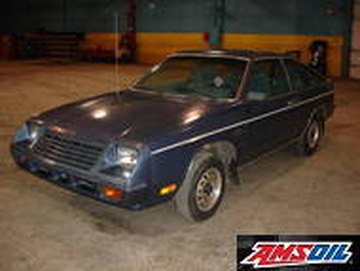
Maintaining Lubrication Standards for the 1982 Dodge OMNI 2.2L
Proper engine care for a vehicle like the 1982 Dodge OMNI 2.2L involves more than just periodic fluid changes; it requires a disciplined approach to monitoring the mechanical health of the engine and its supporting systems. As vehicles age, the way they respond to maintenance can shift, making consistent observation and high-quality lubricant selection essential for continued operation.Monitoring Fluid Integrity and Potential Seepage
One of the most effective ways to monitor the condition of a 2.2L engine is through regular visual inspections of the engine bay and under the vehicle. Rather than waiting for a significant event, an owner should look for subtle signs of fluid movement. Inspecting various gaskets and seals for evidence of seepage or weeping can provide early notice of where maintenance might be required. When performing these checks, it is useful to look at the area around the engine block and any accessible sealing surfaces. If you notice dampness or residue that has collected dust, this may indicate a seal is beginning to age. Additionally, checking for any signs of fluid loss helps ensure that the lubrication levels remain within the necessary range. It is important to remember that many different factors can cause fluid to appear on an engine surface; therefore, any new sign of moisture should be investigated to determine its source and nature.Observing Changes in Engine Behavior
Maintaining a 1982 Dodge OMNI requires staying attentive to how the vehicle operates during daily use. While modern vehicles often rely heavily on electronic sensors to alert drivers to issues, older mechanical systems benefit from the driver's sensory input. Changes in the way the engine sounds or behaves can be significant indicators of a need for service. For example:- Unusual mechanical noises that were not previously present may warrant an inspection of moving parts and lubrication levels.
- A change in the appearance of exhaust gases can sometimes be associated with internal engine conditions that require attention.
- Any sudden or unexpected changes in how the vehicle handles heat or operates under load should be monitored closely.
Prioritizing Maintenance Through Condition-Based Assessment
For an owner of a 1982 Dodge OMNI, managing maintenance tasks effectively often means moving away from rigid schedules and toward a condition-based approach. This involves assessing the actual state of the vehicle rather than relying solely on its age or mileage. A practical way to begin this process is by establishing a maintenance baseline. If the previous service history of the 2.2L engine is unknown, an owner can create their own record by documenting current fluid conditions, any observed leaks, and the results of initial inspections. Once this baseline is established, any deviations from it become much easier to spot. When deciding which tasks to address first, prioritize active concerns. If there is evidence of a leak or if the lubricant appears significantly degraded, these should take precedence over general preventive measures. By focusing on current mechanical realities and maintaining detailed records of all completed services, an owner can make more informed decisions about when to perform routine service and when to investigate specific components.Managing Aging Engine Components
As a vehicle reaches several decades of age, certain materials and components naturally undergo changes. For the 1982 Dodge OMNI, this means being mindful of aging rubber and plastic parts. If equipped, accessible drive belts should be inspected for signs of cracking, glazing, or fraying. Similarly, if the vehicle is equipped with various hoses, checking them for brittleness or soft spots is a prudent part of a routine inspection. Electrical connections and wiring harnesses should also be examined. Over time, insulation can become brittle, and connectors may develop corrosion, which can affect the consistency of electrical signals throughout the engine bay. Regular, careful observation of these components helps prevent minor issues from escalating into more complex mechanical or electrical problems.Effective Record Keeping for Long-Term Ownership
A well-documented service history is one of the most valuable tools for any vehicle owner. For a 1982 Dodge OMNI, keeping a log of every oil change, filter replacement, and mechanical repair provides a clear picture of the engine's health over time. These records allow an owner to:- Identify patterns in fluid consumption or leakage.
- Track the lifespan of various components to better predict future maintenance needs.
- Verify that the correct lubricants and parts have been used consistently.
- Provide evidence of care if the vehicle is ever evaluated for resale or professional service.
Practical Guidance for Buying Engine Oil for your 1982 Dodge OMNI 2.2L
When it is time to replenish the engine lubricant, the most important step is to ensure the product matches the specific requirements of the application. For this 1982 Dodge OMNI 2.2L, you should match the engine oil to the application-specific viscosity information already displayed on this page. Before making a purchase, carefully review the product labeling to confirm it meets the necessary standards for your engine. You may encounter various formulations, including:- Conventional oils that provide standard lubrication.
- Synthetic blends that combine different base oils.
- Full synthetic oils designed for different thermal and oxidative properties.
- High-mileage formulations, which some owners choose because they contain additives intended for use in aging engines.